Responsible Research, Secure Future
As a private research organization, we operate in the fields of construction and security. We focus on inorganic and composite materials applicable in construction and for the protection of critical infrastructure and soft targets. This includes the development of new production technologies and the application of AI-driven technologies. Our work connects basic and applied research, innovation, and the transfer of know-how into practice.
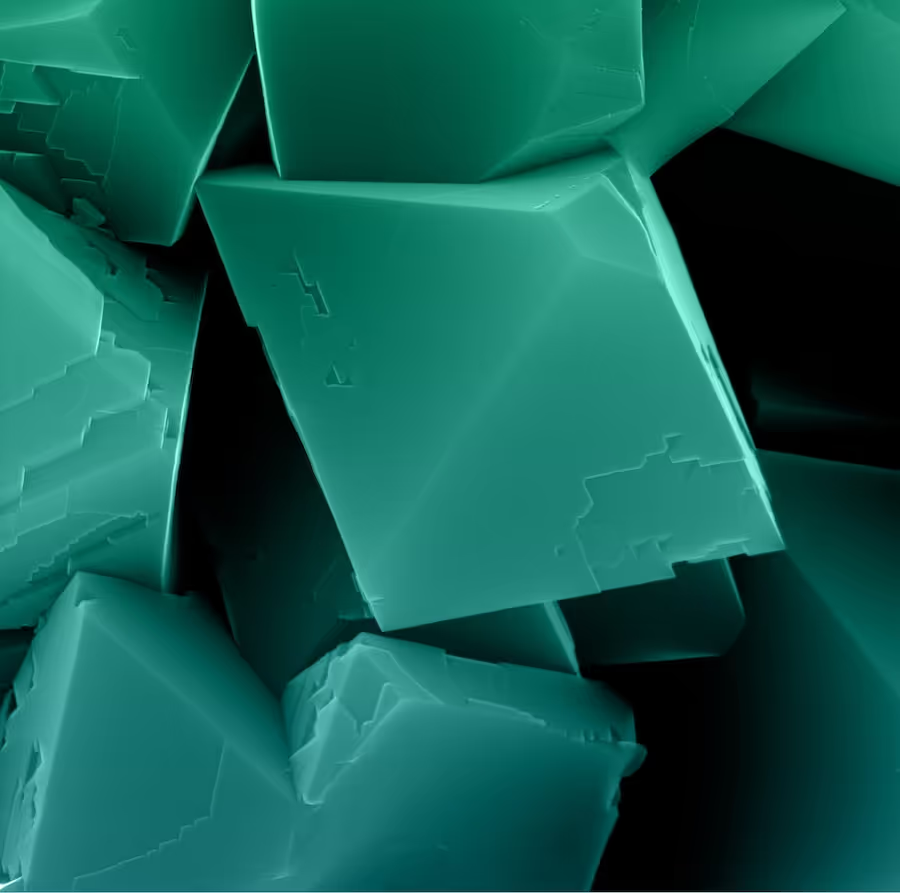
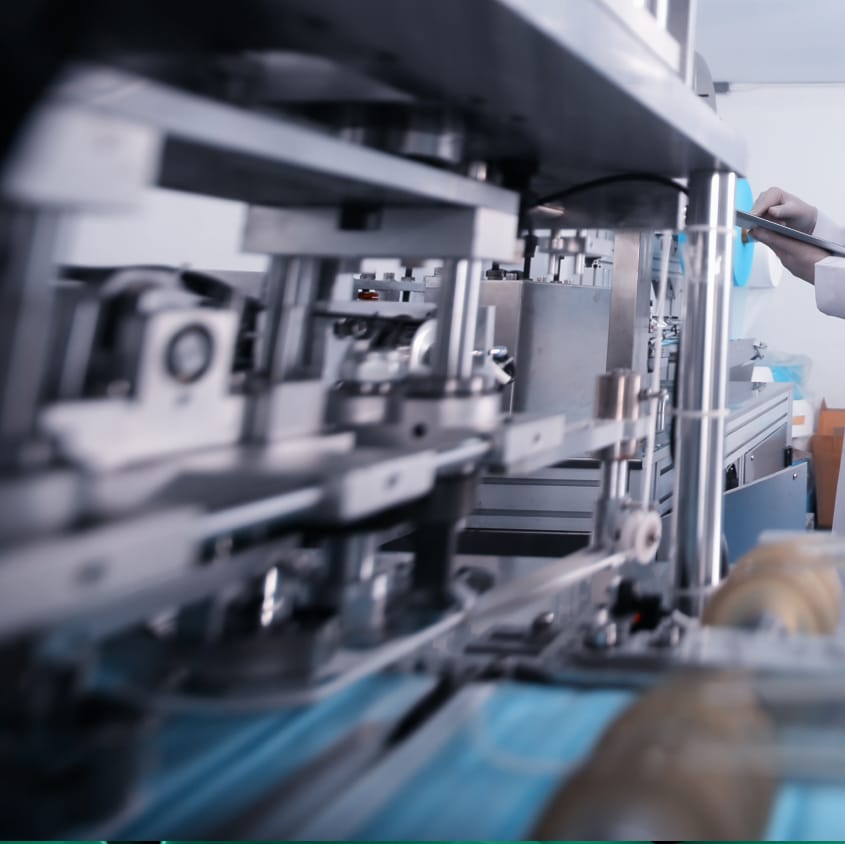
These principles guide our work
The Research Institute of Building Materials, a.s. (VÚSH) has been active in research and development since 1946. As a private research organization, we focus on inorganic building materials.

Sustainability as a standard
We view sustainability as fundamental to our research – focusing on reducing carbon footprint, material recycling, utilizing by-products, and decreasing primary raw material consumption.

State-of-the-art laboratories and expertise
We rely on state-of-the-art laboratory facilities and deep expertise in material development and precise characterization.

Technology Transfer to Practice
We systematically translate research results into practice in collaboration with industrial partners.
Our Direction and What Connects Us
We develop innovative materials and technologies for construction and civil protection. Our mission, vision, and goals are directed towards a sustainable and safe future.

Vision
To be part of the Circular Czech Republic 2040 strategy and actively contribute to sustainability in both construction and security research.
Mission
We conduct research and development of innovative materials and technologies for the construction industry. We push the boundaries of scientific knowledge and deliver innovative and novel solutions for various sectors of the construction industry. We apply circular economy principles, creating sustainable and efficient materials that meet the highest standards of quality, safety, and environmental responsibility. We contribute to sustainable development, energy security, and environmental protection. We investigate the health aspects of building materials and their impact on healthy indoor environments.
Goals
- Development of new building materials and technologies.
- Collaboration with industrial partners on research projects.
- Support for sustainable development and ecological solutions.
- Development of new materials and technologies in the field of security and protection of soft targets.
- International cooperation
- Providing top-quality laboratory services.
- Conducting high-quality basic and applied research
- Knowledge transfer
Focus
VÚSH's activities primarily focus on basic and applied research, development, and innovation in inorganic building materials and products, and related fields. This has further expanded into materials engineering, particularly in technologies applicable to the protection of the population and critical infrastructure. Results are implemented in relevant industry plants through technical assistance or technology transfer. The institute specializes in the development of building materials that conserve primary resources and the environment, ecological processing of industrial waste materials, development of advanced composite materials, zero-waste technologies, and the transfer of results from independent R&D in fiber-reinforced concrete composites, special limes and mixtures, and the development of testing sieves and atypical laboratory aids and equipment. The application of circular economy principles is an integral part of its research and development.
Our history
Since our establishment in 1946, we have come a long way, marked by groundbreaking discoveries, technological innovations, and individuals who shaped modern construction.