Exploring New Opportunities for Collaboration between VÚSH and CEITEC MU
11.7.2026
How can advanced electron microscopy support research into low-carbon binders, self-healing concrete and polycarboxylate superplasticisers? These potential applications were at the centre of a recent visit by representatives of the Research Institute of Building Materials (VÚSH) to CEITEC Masaryk University.
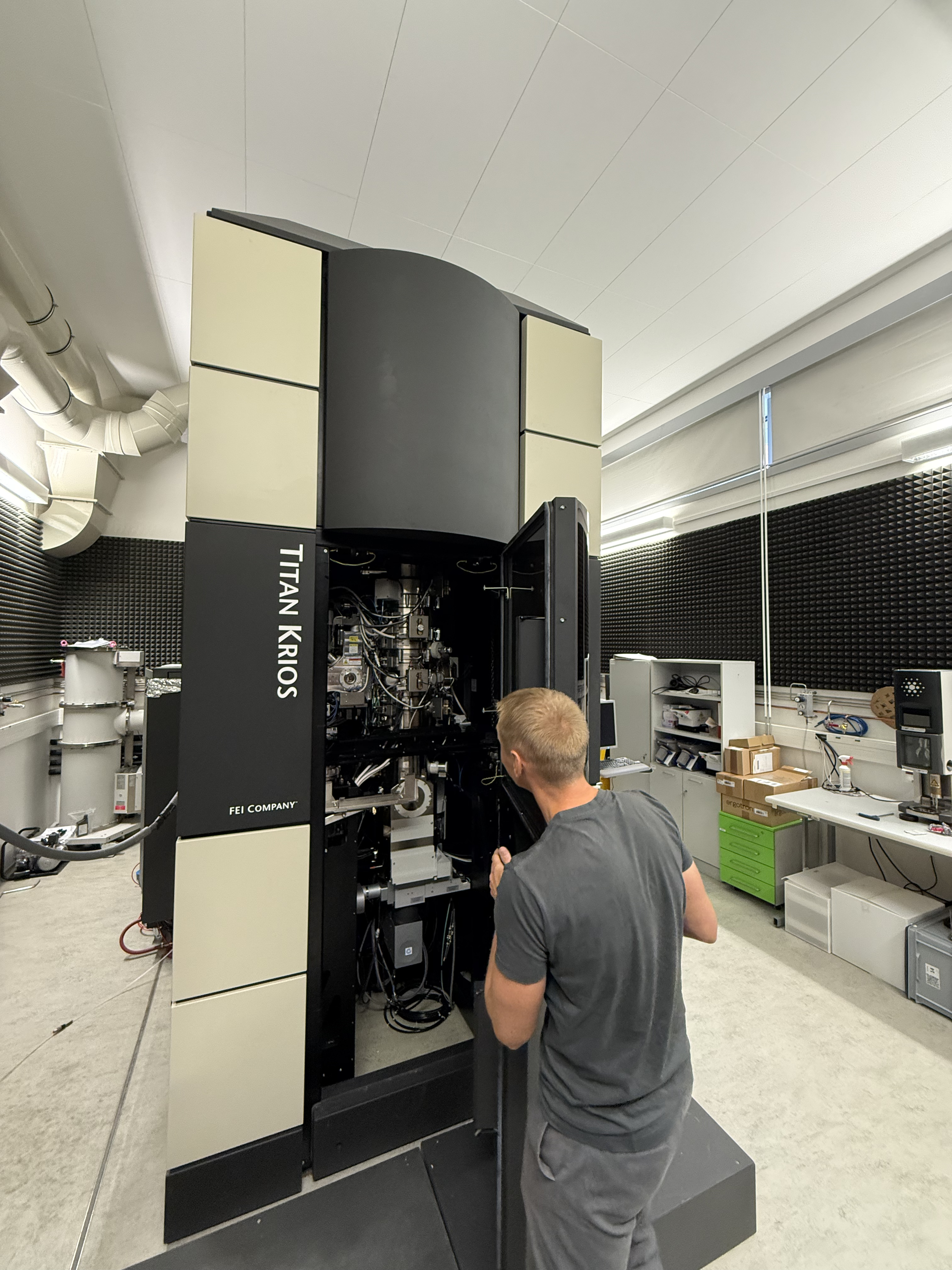
The meeting took place at the Cryo-Electron Microscopy and Tomography Core Facility and focused on potential scientific collaboration in the development and characterisation of new building materials and composites. The participants also discussed the facility’s possible involvement in the scientific programme of EMABM 2028.
The facility provides state-of-the-art instrumentation for transmission and scanning electron microscopy. The discussions focused primarily on its potential use in three specific areas:
- characterising the microstructure and morphology of C-S-H and C-A-S-H phases in low-carbon binders with high levels of clinker replacement using transmission electron microscopy (TEM);
- studying the encapsulation of bacteria intended for use in self-healing concrete through scanning and transmission electron microscopy (SEM and TEM);
- optimising the charge density of polycarboxylate superplasticisers (PCEs) by examining its relationship with C-S-H nucleation, the rheology of fresh concrete and microstructure development using advanced transmission electron microscopy.
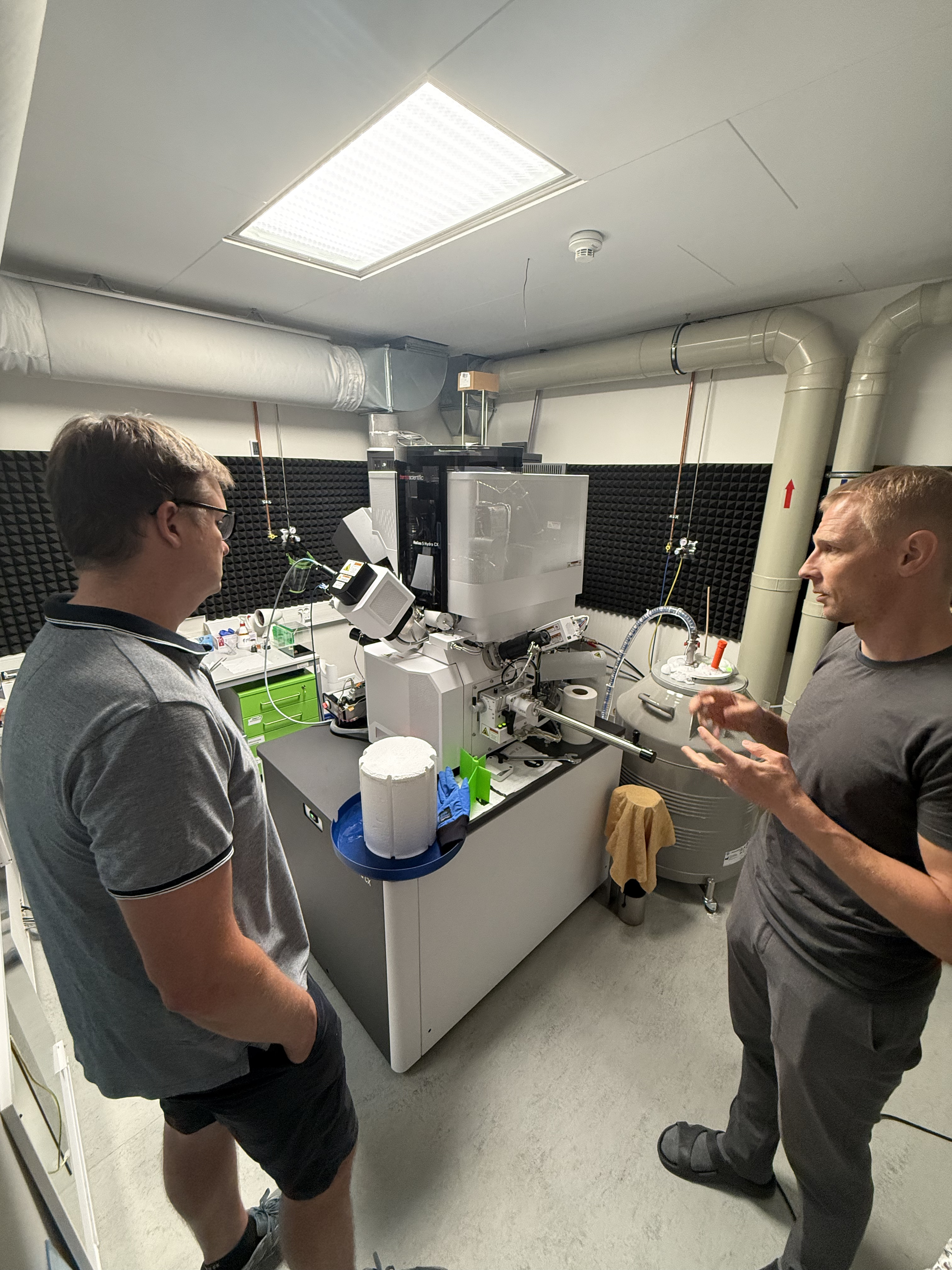
CEITEC MU and EMABM 2028
Alongside potential scientific collaboration, the meeting also covered preparations for the 21st Euroseminar on Microscopy Applied to Building Materials (EMABM 2028).
One of the possibilities discussed was a technical visit to the CEITEC MU laboratories. This would give seminar participants an opportunity to learn more about advanced electron microscopy methods, sample preparation procedures and the instrumentation used in scientific research.
VÚSH is committed to strengthening cooperation between research organisations, universities and industry. The involvement of CEITEC Masaryk University in EMABM 2028 would add another leading research facility to the programme while also introducing participants to Brno’s important role as a European centre for electron microscopy and materials research.